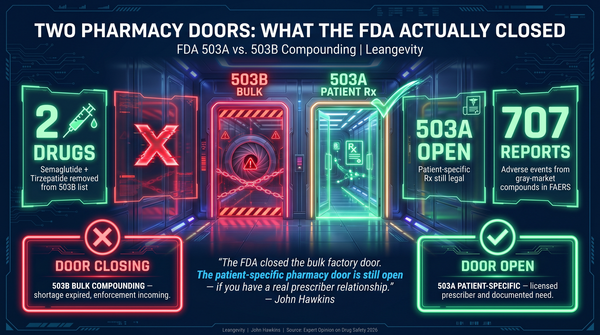
Why the 503A vs. 503B Distinction Is the Only Regulatory Story That Matters Right Now
503A vs 503B compounding: What patients need to know about peptide sourcing, sterility standards, and safe access

503A vs 503B compounding: What patients need to know about peptide sourcing, sterility standards, and safe access
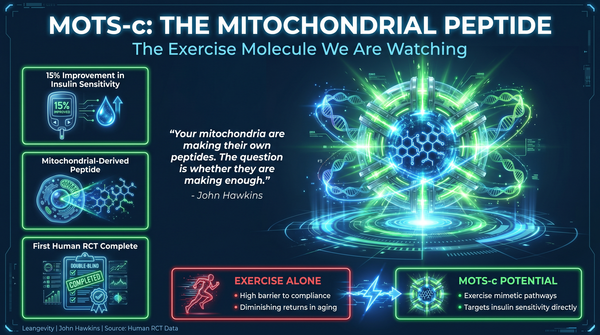
NCT07505745 is a live Phase 2a RCT testing MOTS-c for insulin sensitivity. Here is what the trial is testing and why it matters.
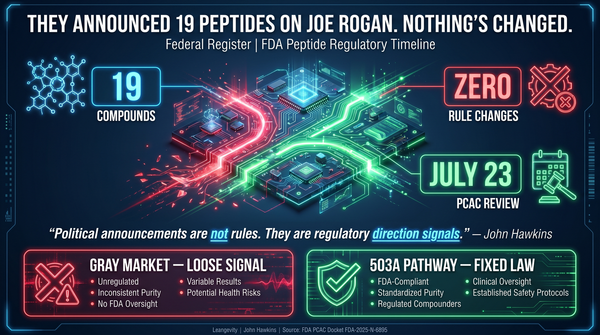
RFK Jr. announced 19 peptides on Joe Rogan, but FDA reclassification has not happened yet. Here is the actual GLP-1 and non-GLP-1 peptide timeline.
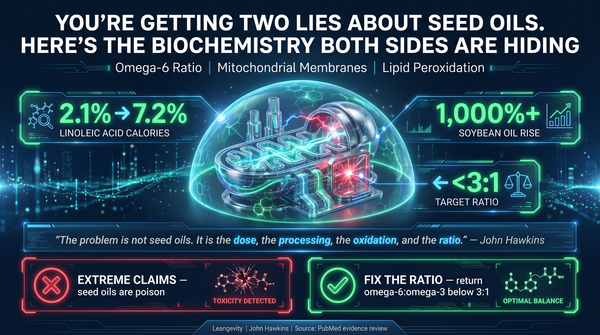
The seed oil debate is stuck between institutional reassurance and biohacker panic. The biochemistry points to a more precise answer: dose, source, oxidation, and omega-6 to omega-3 ratio.
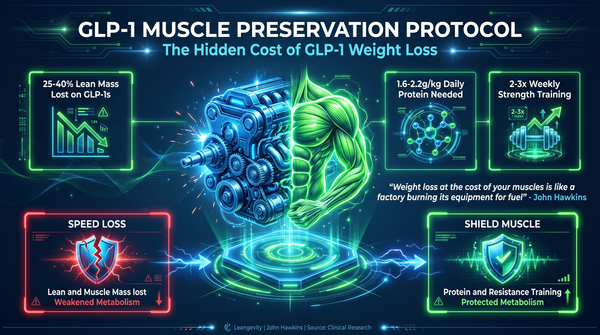
GLP-1s deliver incredible weight loss. But 25-40% of weight lost is lean mass. Here's the data on muscle preservation and what to do about it.
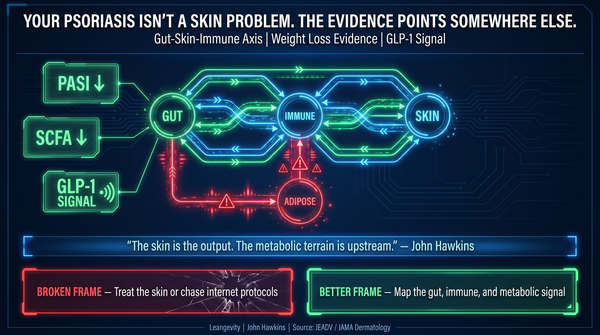
Psoriasis looks like a skin problem, but the strongest human evidence points upstream: gut-immune signaling, metabolic state, and weight loss.
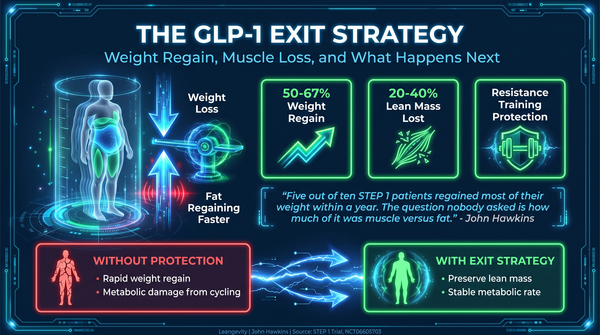
50-67% of weight returns after stopping GLP-1s. Here's the clinical data on weight regain, muscle loss, and the trial testing the exit.
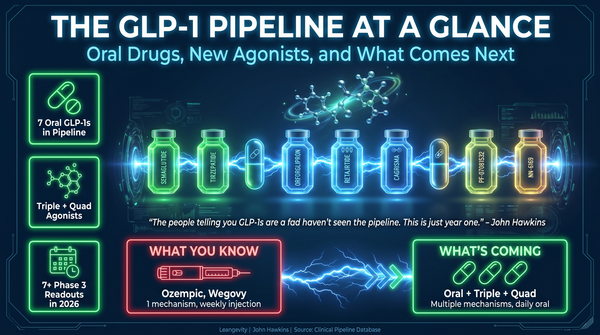
2026 is the year of oral GLP-1s. Orforglipron is approved. Oral semaglutide is in Phase 3. The injection-only era is ending.
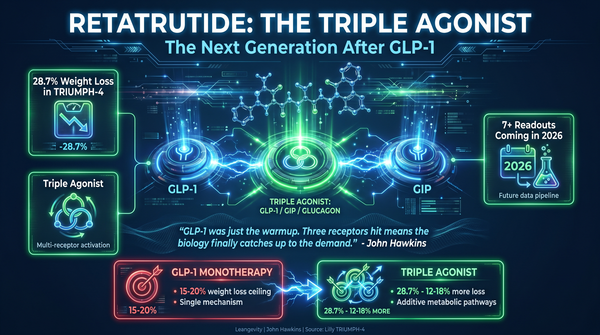
Eli Lilly's retatrutide achieved 28.7% weight loss and 76% knee pain reduction in Phase 3. Seven more readouts coming in 2026.
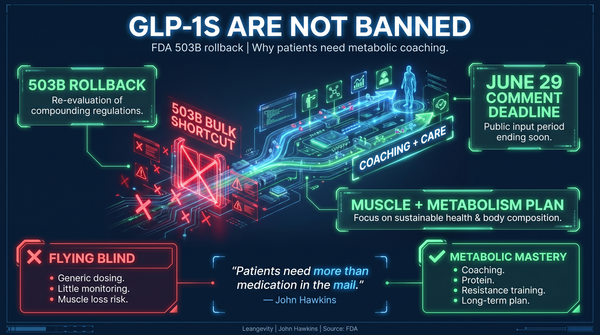
GLP-1s are not being banned. The FDA is rolling back the 503B bulk-manufacturing shortcut, and patients need more than medication in the mail.
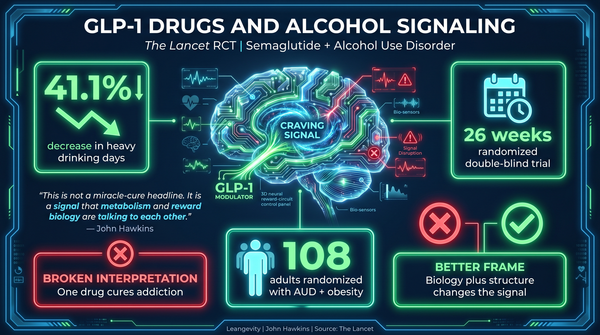
A Lancet RCT suggests semaglutide may affect heavy drinking days in adults with alcohol use disorder and obesity—but the story is biology, not hype.
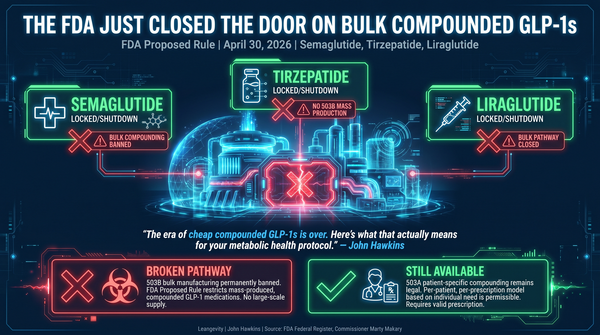
The FDA's April 30, 2026 proposed rule permanently closes the door on bulk compounded GLP-1s. Here's what that means for your peptide therapy protocol — and your real options.